Everything You Need to Know About Muscle Knots + Relief Tips

The 5 Pains and Conditions That Chiropractors Treat
July 16, 2021
What Should You Do After A Chiropractic Treatment
October 21, 2021
There is a huge likelihood that you have experienced a muscle knot at least once in your life. According to research, muscle knots affect as much as eighty-five percent of the population. Not only do they impair mobility and cause pain, but can also affect a person’s quality of life. To learn more about muscle knots and how to provide relief, keep reading this blog post.
What are Muscle Knots?
Muscle knots or myofascial trigger points are stiff bands of muscle. They have a trigger point, which is the hard knob in the centre, and are usually found in your back, shoulders, and neck. The pain can occur in two different manners: active and latent. The former takes place when the pain shoots up randomly, while the latter occurs after the trigger point is pressed. But in all cases, muscle knots will lead to pain that will radiate past the trigger point and into the surrounding muscles.
What Causes Muscle Knots?
Muscle knots occur due to a variety of possible causes. Although this area requires more research, the best available evidence reveals that muscle knots are the result of overuse, like heavy lifting or repetitive activities, for example. Other causes may include the following: psychological stress, poor ergonomics, bad posture, fatigue, dehydration, unhealthy eating habits, sleep disturbances, and joint problems.
What are the Symptoms of Muscle Knots?
One of the main symptoms of muscle knots is pain. Since everyone’s tolerance towards pain is different, your symptoms may vary from others. Even so, the majority of people have described muscle knots to feel swollen, tense, or bumpy, and create an aching sensation. Based on the location of the muscle knot, it might seem to cause unrelated pain in other areas of the body. For instance, if you have a muscle knot in the neck, it can send pain to the base of the skull, which will result in a tension headache.
Who is Most At-Risk for Muscle Knots?
There is a very small group of people who will carry on their life without ever having to experience a muscle knot. On the other hand, 97% of people who deal with chronic pain have trigger points, and 100% of those who suffer from neck pain have them. Although, there are certain risk factors that increase the chances of developing muscle knots, like ageing, disease, and stress.
How are Muscle Knots Diagnosed?
A physical examination needs to be conducted in order to diagnose a muscle knot. This has to be done by an experienced professional or chiropractor. The affected region will be assessed for three things: a taut band of muscle, a tender nodule, and the patient’s reaction to physical pressure.
How are Muscle Knots Treated?
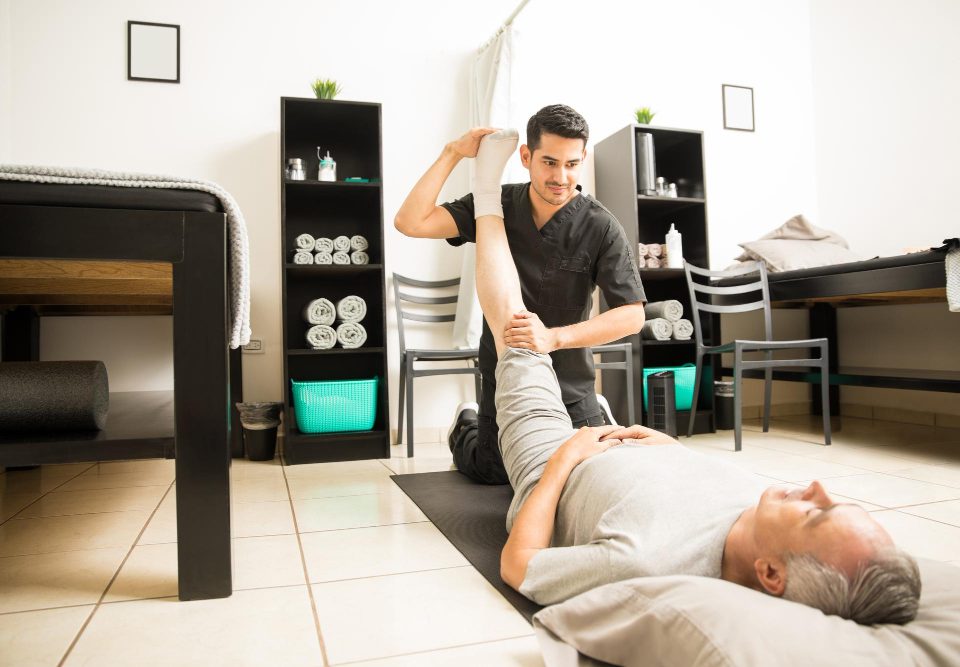
There are several available options that can help deal with muscle knots. The most well-known treatments include stretching, chiropractic, acupuncture, exercise, massage therapy, and ultrasound therapy. The main goal for all of these treatments is the same – to reduce pain and increase mobility by releasing the trigger point and breaking up the knotted tissue.
How Can You Prevent Muscle Knots?
Muscle knots occur due to overuse, stress, bad posture, fatigue, etc. For that reason, your chances of experiencing a muscle knot can be lowered by simply resting, fixing posture and improving lifestyle habits. Here are some tips that are worth giving a try:
- Improve Your Posture – Sit in a relaxed position without slouching. Keep your shoulders back and down.
- Take Breaks – Look for the chance to have some downtime throughout the day. You can either rest or exercise – but do not overdo it by lifting extremely heavy objects. If your job requires you to lead a sedentary work life, take the chance to have stretch breaks to prevent your muscles from becoming too tight.
- Maintain a Healthy Diet – Incorporate calcium, potassium, and magnesium into your diet, and keep your body hydrated by drinking a lot of water.
Can You Treat Muscle Knots at Home?
Even though it is strongly recommended to seek advice from a professional spine, muscle, and nervous system expert, there are some instances where you can massage the sore muscles on your own. Consider following these simple steps:
- Locate the knot in your muscle
- Use your fingers to gently massage it
- Loosening the tight muscle by pressing down and making small circles
- Tip: If you are experiencing difficulty with reaching the muscle knot, try using a tennis ball or foam roller, and apply pressure by slowly and gently moving it in back and forth motions
Muscle knots are very painful and frustrating, and can take away from comfortably living your life. Now that you know what causes them, and how to treat them, you can hopefully find relief and resume your everyday activities. However, if you do have a persistent muscle knot, make an appointment with a registered chiropractor at Burnaby Heights Chiropractic. We have practitioners in both fields: our chiropractor, Dr. Forest Eaton and Registered Massage Therapist, Tim Gropen. We will listen to your concerns to understand your condition, then we will provide you with a diagnosis and will apply the right treatment based on your specific needs.
In addition to reducing pain, some other services that we offer include the following: reducing muscle spasms, correcting dysfunction in your musculoskeletal system, encouraging flexibility, and improving joint motion. We can also help treat many different areas such as lower back pain, foot pain, shoulder pain, neck pain, sciatica, arthritis, headaches, poor posture and more. For more information, send us an email at hello@bbyheightschiro.com, or call 604-298-0525.